 EN
 ES
 FA
 AR


Dealership blog
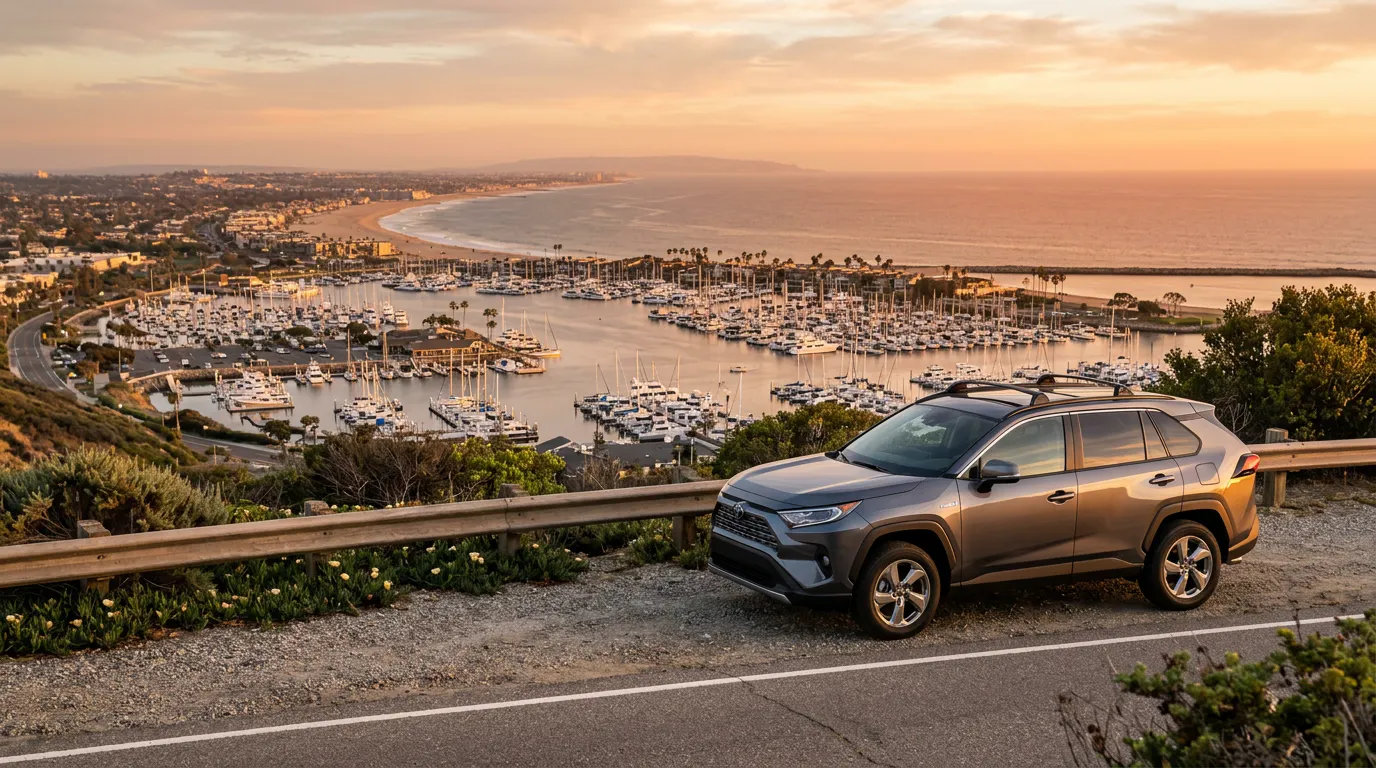
Navigating Toyota Hybrid and Electric Vehicles in Marina del Rey: Practical Commuting and California Incentives
Understanding Electrified Mobility Along the Westside
Commuting along Lincoln Boulevard, the Pacific Coast Highway, and the I-405 demands an efficient powertrain that balances stop-and-go traffic with extended coastal range. As automotive efficiency standards evolve, drivers across Marina del Rey are weighing traditional hybrid systems, plug-in hybrids, and battery electric vehicles to find practical cost savings and reduced environmental impact.
Key Questions Answered:
- Which powertrain suits coastal Los Angeles driving? Standard hybrids excel in heavy traffic without home chargers, while plug-in hybrids offer zero-emission local errands paired with highway gas flexibility.
- Are California EV purchase credits still active? While legacy federal tax credits shifted in late 2025, regional clean air programs and utility rebates remain available for qualified California residents.
- How does regenerative braking work on coastal roads? Toyota hybrids capture kinetic deceleration energy during routine braking, automatically recharging onboard traction batteries without plug-in equipment.
Key Takeaways
- Powertrain Fit: Traditional hybrids self-charge via kinetic energy, whereas Plug-in Hybrids (PHEVs) offer electric range for Westside errands with standard hybrid long-distance efficiency.
- Incentive Reality: With broader federal rebate phase-outs completed, buyers should look to local utility rebates, clean-air programs, and state-level incentives verified through trusted resources like DriveClean California guidance.
- Local Convenience: Marina del Rey drivers benefit from lower operational maintenance, complimentary factory service via ToyotaCare, and robust reliability in coastal conditions.
The Rise of Electrified Driving in Coastal California
Southern California has long set the standard for hybrid adoption. Dense coastal corridors between Santa Monica, Venice, and Marina del Rey frequently experience low-speed cruising and unexpected slowdowns where internal combustion engines burn excess fuel at idle. Modern electrified systems eliminate that waste by prioritizing electric traction at low speeds and harvesting energy every time you apply the brakes.
With gas prices remaining a consistent budgeting factor across Los Angeles County, switching to an electrified platform provides predictable monthly ownership costs and lower tailpipe emissions.
Comparing Toyota Electrified Powertrains in Practice
Selecting the right vehicle depends on your residential charging access, daily mileage, and overall driving habits. Here is how modern electrified options compare:
| Powertrain Type | Primary Benefit | Charging Required? | Ideal Commuter Profile |
|---|---|---|---|
| Hybrid Electric (HEV) (e.g., Prius, Camry, Corolla Cross) | Self-charging via regenerative braking, exceptional MPG | No | Street parking, high-mileage freeway drivers |
| Plug-In Hybrid (PHEV) (e.g., Prius Plug-in, RAV4 Plug-in) | All-electric range for short trips, gas backup for road trips | Optional (recommended for max EV range) | Home garage or workplace charger access |
| Battery Electric (BEV) (e.g., Toyota bZ series) | Zero direct emissions, quiet drive, instant torque | Yes (Level 1, Level 2, or DC Fast Charging) | Daily commuters with dedicated charging setups |
Tailored Solutions for Your Driving Needs
To determine the best fit for your commute around Marina del Rey and the greater Westside, consider these primary lifestyle factors:
- Daily Travel Distance: If your daily round-trip commute to Culver City or Downtown LA is under 40 miles, a Plug-in Hybrid allows you to drive primarily on electric power while retaining complete range security.
- Parking and Infrastructure: Apartment dwellers along Lincoln Boulevard without dedicated Level 2 chargers often benefit most from self-charging Hybrid Electric Vehicles that never need plugging in.
- Cargo and Recreation: For coastal outdoor activities, hybrid all-wheel-drive configurations like the Corolla Cross Hybrid or RAV4 Hybrid provide flexible storage alongside all-weather traction.
- Long-Term Maintenance: All new Toyota models include factory-scheduled maintenance coverage under ToyotaCare for the first 2 years or 25,000 miles, providing roadside assistance and routine fluid and inspection services.
Why Choose Marina del Rey Toyota for Your Electrified Vehicle
Conveniently located at 4636 Lincoln Boulevard, Marina del Rey Toyota delivers a customer-centric dealership and service experience. Recognized for automotive sales and factory-certified repair, our team provides knowledgeable guidance across the entire electrified lineup—from standard hybrids to plug-in models and battery electrics.
Whether you need advice on home charging setups, current regional clean-vehicle programs, or warranty protection under ToyotaCare Plus, Marina del Rey Toyota is dedicated to supporting your ownership journey across the Westside.
Frequently Asked Questions
How does regenerative braking recharge the battery in a hybrid?
Regenerative braking converts the kinetic energy generated during coasting and braking into electricity, feeding it directly back into the traction battery without requiring any external power source.
Can I drive a Toyota Plug-In Hybrid if the electric battery is depleted?
Yes. When the electric battery charge runs out, a Toyota Plug-In Hybrid automatically switches to standard hybrid mode, operating seamlessly on its efficient gasoline-electric hybrid powertrain.
What factory maintenance is included with a new Toyota hybrid?
New Toyota models include ToyotaCare, covering factory-scheduled maintenance for 2 years or 25,000 miles, along with 24-hour roadside assistance for added peace of mind.
Conclusion
Choosing an electrified vehicle offers a dependable way to navigate Los Angeles traffic with reduced fuel costs and lower emissions. Visit Marina del Rey Toyota at 4636 Lincoln Boulevard to explore the lineup and test drive the right hybrid or electric vehicle for your daily routine.